Walk into a well-run hotel lobby in the afternoon. You hear a soft instrumental playlist at conversation-friendly volume. Walk past the pool deck around 4pm and the audio is energetic, mid-tempo, slightly louder. Step into the rooftop bar at 9pm and the level rises again, the playlist shifts to evening tempo, and the audio in the lounge sub-zone next door stays softer because the conversations there are different.
That's not happening by accident. And it's not happening because a manager is running around with a tablet adjusting zones. It's happening because the property's audio system was designed around QSYS — a platform that treats every speaker, microphone, and content source as a programmable resource.
What QSYS actually is
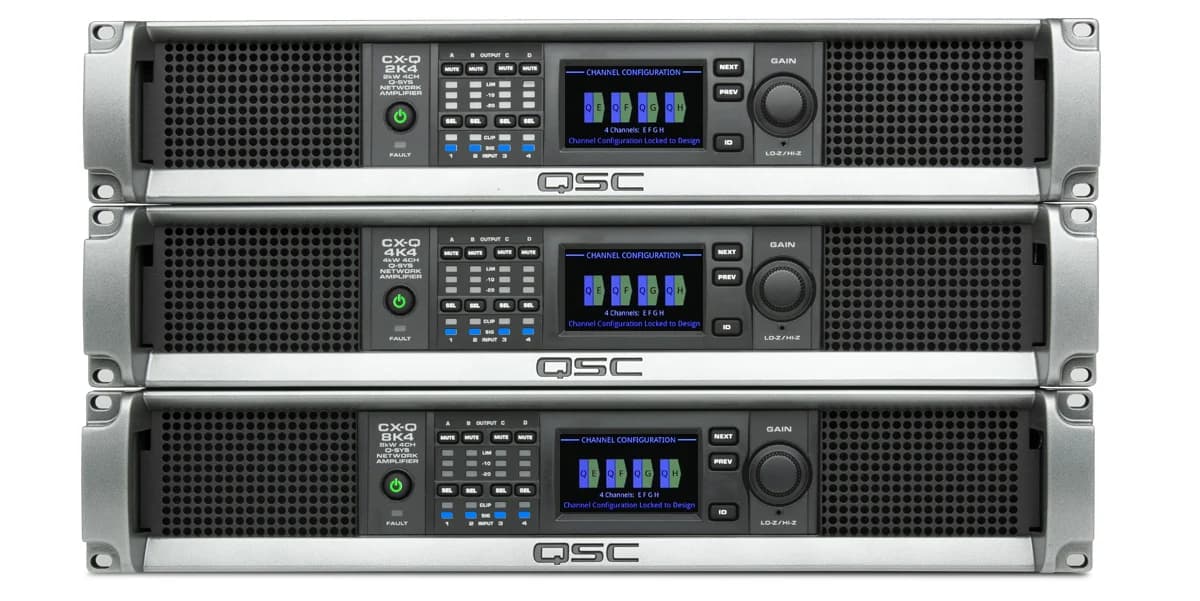
QSYS is best understood as operating-system-grade audio. A single Core processor sits in a rack somewhere and routes audio between any source and any zone, with software-defined logic governing everything.
In practice, this means a property can:
- Schedule different playlists, volumes, and zones for different times of day — automatically
- Route a live audio feed from a rooftop event into the lobby bar without running new cable
- Page from the front desk into any zone (or any combination of zones) with a single button
- Adjust levels remotely from the property's network without sending a technician to the closet
- Push fire-system overrides into every zone instantly when needed
The traditional hospitality alternative is a stack of separate amps, switchers, and zone controllers — each from a different vendor, each with its own remote, each requiring a service call to reconfigure. QSYS consolidates that entire stack into a single processor with a software interface.
Why hotels specifically benefit
Three things about hospitality make QSYS the right fit, more than other commercial verticals:
1. Zones change with the day. A hotel's "lobby" at 9am is a coffee-and-newspaper space. By 5pm it's a check-in rush. By 9pm it's a quiet sit-and-wait area for dinner reservations. The volume curve, the playlist, and the zone boundaries should change with that — and with QSYS they can be programmed to do so automatically.
2. Properties keep adding spaces. A hotel that opens with a lobby and pool deck adds a rooftop bar in year two, a private event space in year four, and an outdoor restaurant in year six. Adding zones to a QSYS deployment is a software change, not a rip-and-replace.
3. Remote support matters. When a property's audio drifts out of spec at 11pm on a Saturday, the GM doesn't want to wait until Monday for a service call. With QSYS, an authorized integrator can VPN into the system and reset zones, push patches, or adjust levels remotely. Same applies to firmware updates — they happen overnight, not during business hours.
The integration angle
QSYS doesn't just live in audio. The same Core processor that drives the audio system can also:
- Trigger lighting scenes when an event playlist starts
- Integrate with the property's room reservation system to automatically silence common-area paging during banquet events
- Send health alerts (failed amplifier, lost zone, etc.) directly to the property's IT ticketing system
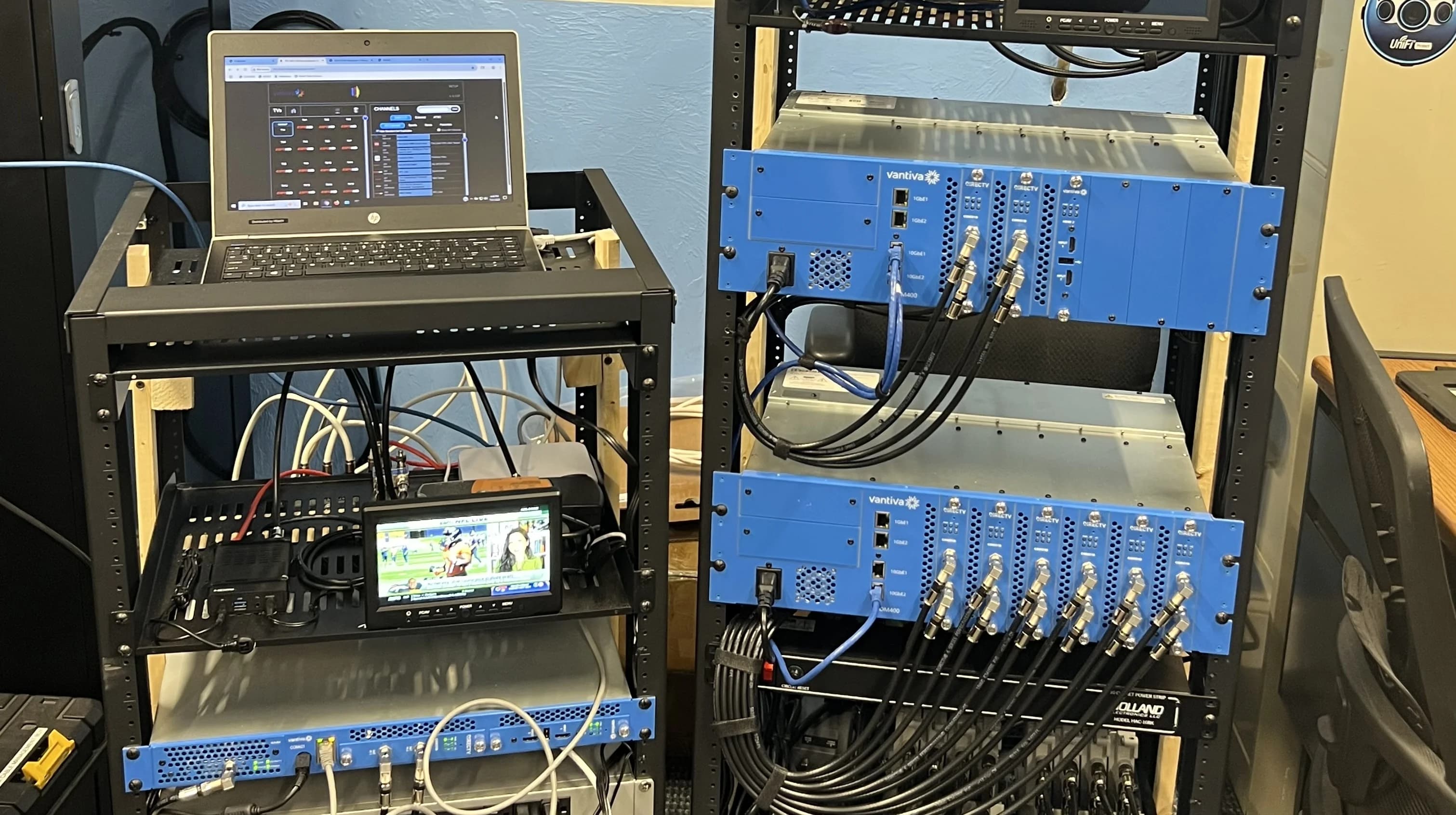
- Coordinate with DIRECTV head-ends so TV audio in shared zones routes through the same speakers as the property's background music
This integration depth is why QSYS shows up in stadiums, casinos, and corporate campuses. The same engineering rigor — and the same designer — can deliver in a 60-room boutique hotel as in a 600-room convention property.
What to ask your integrator
If you're a hotel property manager or hospitality developer evaluating an audio install, three questions to ask:
- Are you QSYS certified at the programmer level, not just the installer level? The difference matters. Installer certification proves they can rack the equipment. Programmer certification proves they can design the software logic that makes the system actually do what your property needs.
- How do remote updates and remote diagnostics work? Properties that don't have remote support end up paying for emergency truck rolls. Properties that do have it pay for monthly support packages and rarely see a technician outside scheduled visits.
- What's the growth path? A two-zone install today should be designed to support 12 zones in year five without re-architecting the system. If the answer involves "we'd start over," that's the wrong installer.
Our hospitality vertical page covers more of how this comes together for hotels specifically, and the audio/video service page details the broader QSYS-anchored offering.